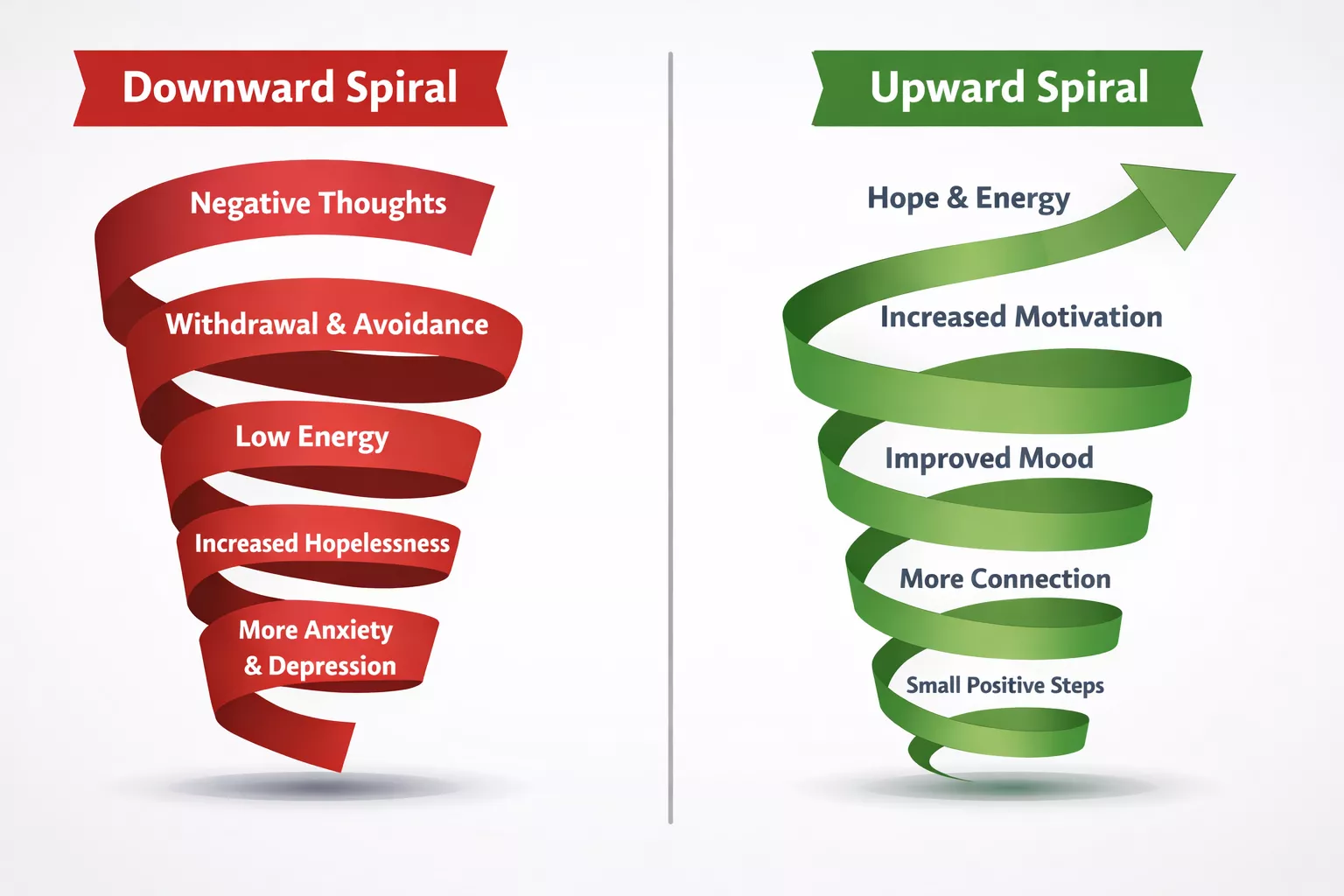
Have you ever been in a place where you want to change — truly change — but something inside you keeps pulling you back into the same old habits? Maybe you avoid hard conversations. Maybe you numb out with food, alcohol, scrolling, or busyness. Maybe you shut down when emotions rise.
And you wonder, “Why do I keep doing this? What’s wrong with me?”
There’s comfort in what we know from neuroscience: Nothing is wrong with you. Your brain is doing exactly what it was designed to do. Your work — and mine — is learning how to guide it differently.
Let me walk you through how that works.
Why Change Feels So Uncomfortable
Your Brain Isn’t Resisting You — It’s Protecting You
When you try to respond differently — to feel instead of avoid, to stay present instead of escape — your brain reacts with confusion. It’s used to the old pathway, the “deeply carved rut” you’ve traveled for years.
Your brain says: “We don’t have a pathway for this. What are you doing?” That uncomfortable feeling you get? It’s not danger. It’s not failure. It’s not a sign you’re doing the wrong thing. It’s simply your brain scrambling to build new connections — literally reaching out dendrites (tiny “fingers”) to support new learning.
If you could see it on a functional MRI, you’d see your brain lighting up, trying to help you.
Your Feelings Follow Your Focus
Your brain will always serve whatever you focus on:
• Focus on discomfort → your brain helps you avoid discomfort.
• Focus on old habits → your brain helps you repeat them.
• Focus on new, healthier choices → your brain begins building new pathways.
This is why change feels shaky at first. You’re walking on ground your brain hasn’t paved yet.
Why Avoidance Makes Everything Worse
Most people don’t avoid feelings because they’re weak. They avoid them because, at some point in life, they had to.
Avoidance was protection. Avoidance was survival. Avoidance was the only option.
But here’s what your brain learns from avoidance: “This must be dangerous. I’ll help you avoid it next time.” And the cycle deepens. You stop doing destructive things… but then you develop less destructive but still unhealthy coping strategies. And those create new layers of pain.
Eventually, everything collapses under the weight of what you’ve been trying not to feel.
You’re Not in a “Low Place” — You’re in New Territory
Many people describe this moment as “hitting bottom.” I see it differently: You’re not failing — you’re stepping into uncharted emotional territory.
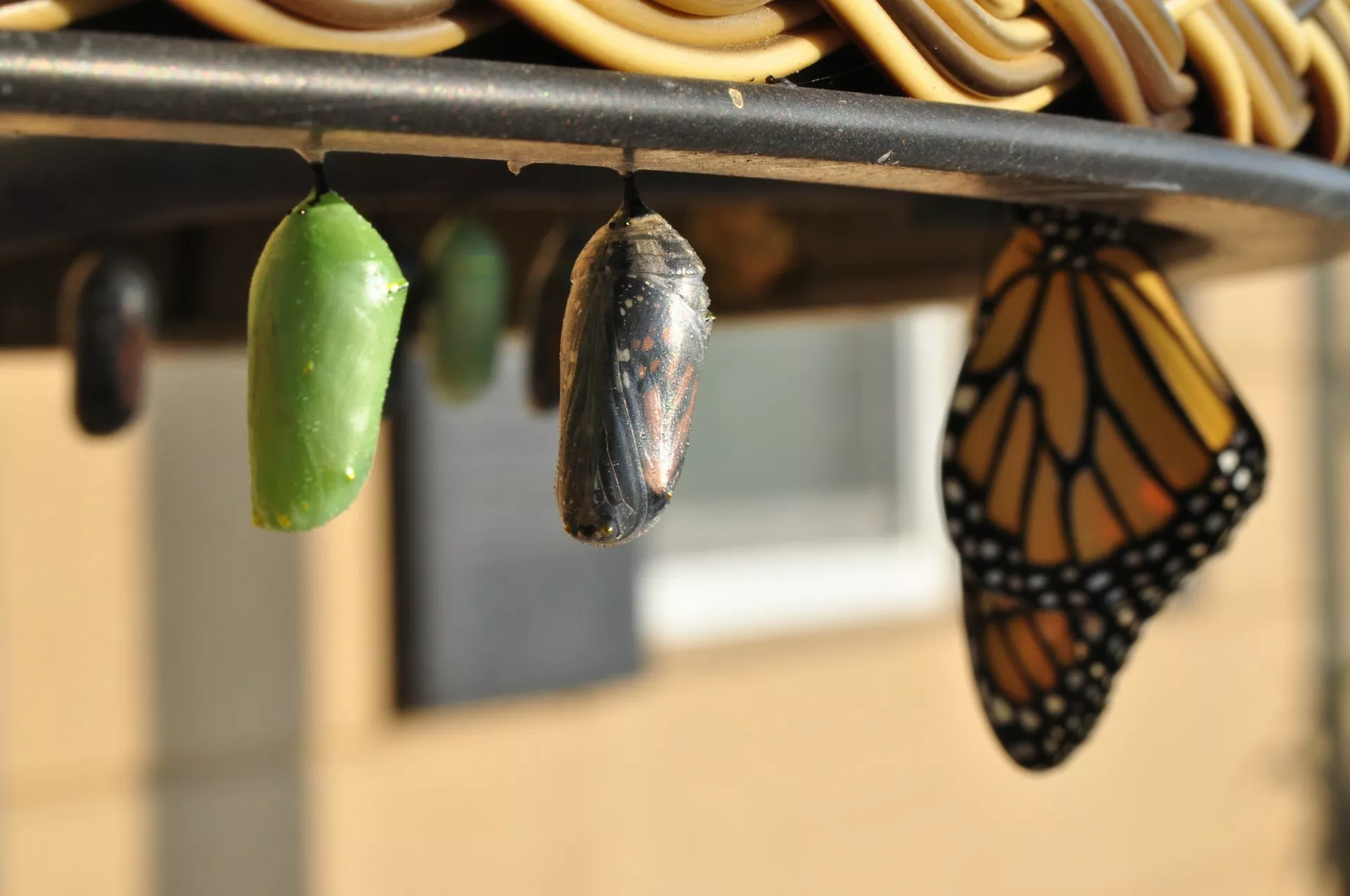
You’re not collapsing. You’re growing.
How to Work With Your Brain Instead of Against It
Step 1: Name What You’re Feeling
This is where tools like a Feelings Wheel help. When you name a feeling, you shift from being in it to being aware of it.
Awareness gives you choices.
Step 2: Thank Your Brain — Then Redirect It
I often tell clients to talk to their brain the way they’d talk to an AI assistant:
“Okay, brain. Here’s what I want. I want to cope with this without avoiding it. I want to stay aligned with my values. What are my options?”
Your brain is designed to follow your lead. It just needs clear instructions.
Step 3: Ask, “What Else Might Be True?”
Old pathways serve up the same story every time:
• “I failed.”
• “I disappointed them.”
• “It’s my fault.”
• “I should have done more.”
But those stories are rarely the whole truth.
So I encourage you to ask:
• What else could be true?
• What would I tell a friend in this situation?
• What would I do differently next time — not to punish myself, but to grow?
This shifts you from shame to learning.
When Guilt and Grief Get Tangled
Many people carry guilt about how they handled a loved one’s illness, death, or final days.
The question I ask is: “If that painful thing were true, what would it mean about you?”
Often, the pain isn’t about the event — it’s about the meaning you attach to it. When you explore that meaning with compassion, the emotional charge begins to loosen.
Preparing for Hard Situations Without Spiraling
Your brain loves certainty — even negative certainty. So when you anticipate a difficult situation, your brain may label it as doom. I encourage you to correct that in real time: “Nope. Not doom. Just something hard. I can handle hard.”
This small shift prevents your brain from activating the full survival system.
Repairing Relationships as You Grow
One of the most healing practices I teach is going back to someone you love and repairing a moment where fear led your response. Not to shame yourself, but to “give voice to” what was happening inside you.
Something like: “I realized I answered you out of fear instead of love. Can I try again?” This reinforces the new pathway you’re building — and strengthens connection.
The Surprising Link Between Sadness and Anger
Many people who feel stuck in sadness are actually afraid of anger. So the anger turns inward. And inward anger becomes depression.
Learning to safely acknowledge anger — not explode with it, not suppress it — is often the doorway out of chronic sadness. This is deep work, and it takes time. But it’s profoundly freeing.
What Healing Actually Feels Like
When a new insight “lands,” you’ll feel it in your whole body: A settling. A softening. A quiet internal yes. That’s what peace feels like. Not the absence of struggle, but the integration of it.
Healing isn’t about eliminating hard feelings. It’s about being able to hold them without collapsing or escaping.
And you are capable of that.
Read more helpful life skills-building articles in the Resources section here on our website or check out the videos on YouTube via Lifegrowth’s coaching practice, Alli. If you’d like more personal help, contact us by email or call to set up a free 15-minute phone consultation to discuss your specific challenges and explore how we can help.