
Conflict used to feel like a personal failure to me. Every tense meeting, every misunderstanding, every moment of friction would send me straight into old patterns — shutting down, over explaining, withdrawing, or getting defensive before I even realized what was happening.
If you’ve ever wondered, “Why do I react so fast? Why can’t I stay calm?” you’re not alone. And you’re not broken. You’re human.
As I’ve learned more about how conflict works in the brain, I’ve discovered something freeing: my reactions aren’t character flaws — they’re survival responses. And once I understood that, I finally began building new habits that help me stay grounded, connected, and productive instead of stuck in anxiety or self criticism.
This guide is the process I use — simple, actionable steps rooted in how our brains and relationships were designed to function.
Why Conflict Feels So Overwhelming
Conflict isn’t just inconvenient — it’s inevitable. Anytime people work closely together, especially when the relationship matters, our brains start scanning for danger.
When something matters to us, anything that threatens that will create a reaction in our limbic systems… our fight flight freeze survival response.
That means:
- A sharp tone can feel like danger.
- A disagreement can feel like rejection.
- A change in plans can feel like instability.
And when my brain senses danger — even emotional danger — it pulls me out of my problem solving abilities and into survival mode. I either defend, withdraw, or escalate. Sound familiar?
This Habit Changes Everything: Safety First
The turning point for me was realizing this truth: The brain doesn’t differentiate physical danger from emotional danger. So, if I want to change my patterns, I have to start with safety, not strategy.
Here’s how I help people develop the habit:
1. Pause and name what feels threatened
Instead of reacting, I ask myself:
- What feels unsafe right now?
- What part of me is being triggered?
- What story am I telling myself?
This helps me shift from survival mode to awareness.
2. Get curious instead of reactive
What makes the difference is the ability to wonder what is underneath the situation… what’s triggering the insecurity.
Curiosity interrupts reactivity. It opens space for connection.
3. Speak to safety before content
I’m learning to say things like:
- “Can you help me understand…?”
- “I’m not against you.”
- “Let’s slow down — this matters.”
Safety first. Content second.
4. Repair quickly
Healthy conflict isn’t the absence of tension — it’s the presence of repair. When I resolve things swiftly, trust grows instead of eroding.
5. Practice consistently
New habits form through repetition. Every conflict becomes a chance to strengthen emotional resilience.
Why This Matters for Anxiety, Depression, and Real Change
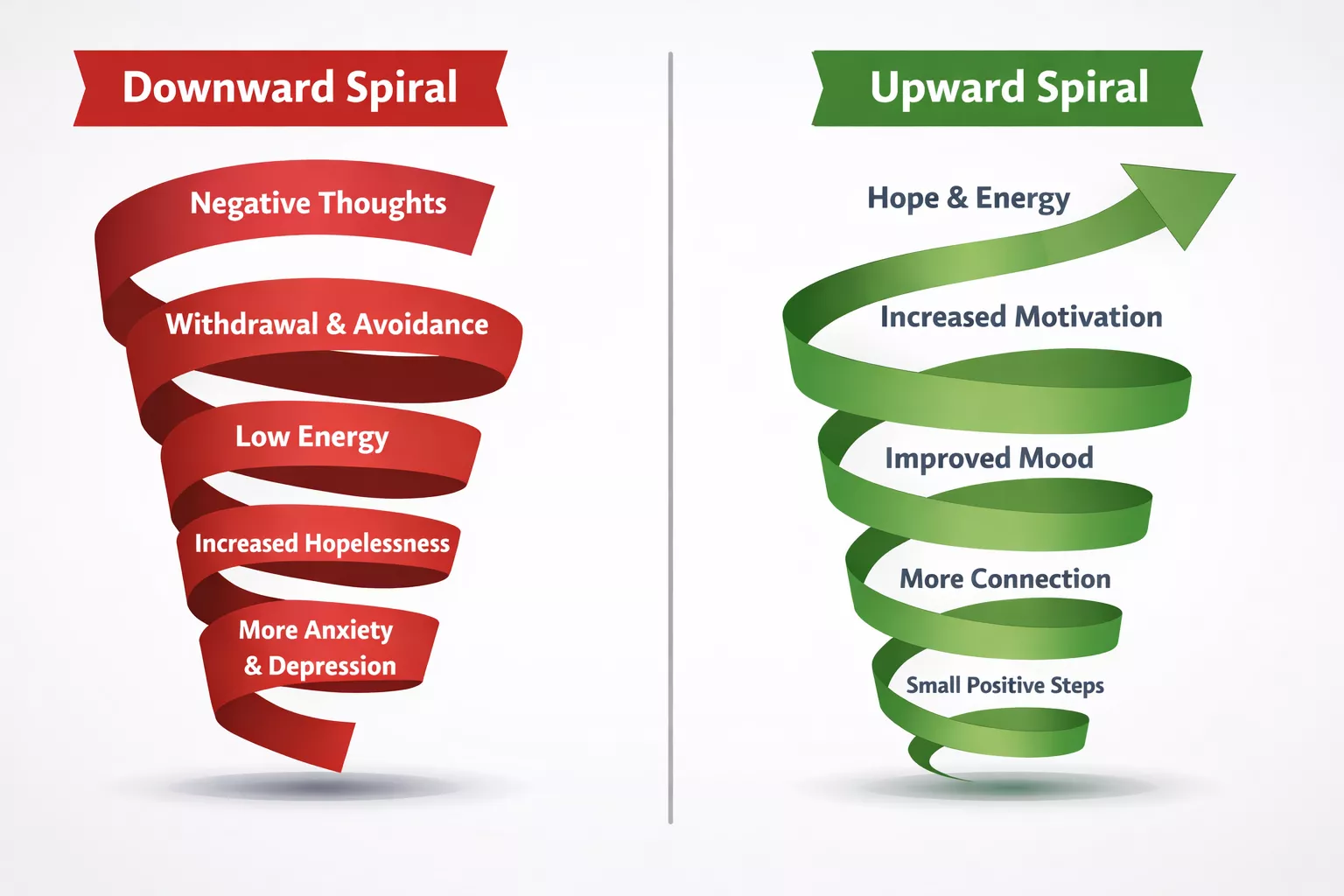
When I stay in survival mode, I lose access to creativity, motivation, and emotional regulation — all things I desperately need when I’m trying to break old patterns of anxiety or depression.
But when I create safety — internally and relationally — I stay connected to the part of my brain that helps me:
- Think clearly
- Solve problems
- Stay present
- Build trust
- Feel grounded
Don’t wait for a conflict to practice these habits—start now by noticing your daily triggers, slowing your reactions, and choosing curiosity over defensiveness. The more you rehearse safety in small moments, the more naturally it will rise up when tension hits. Real change begins long before the next hard conversation.
If you’d like more personal help, contact us by email or call to set up a free 15-minute phone consultation to discuss your specific challenges and explore how we can help.